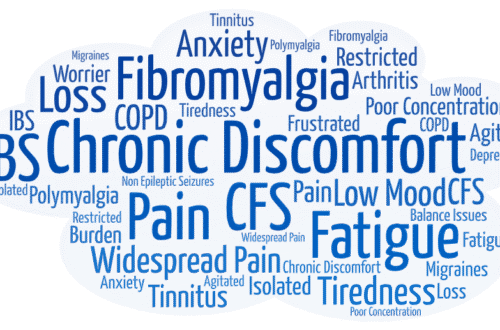

The Most Common Treatments For Fibromyalgia.
There is no cure for Fibromyalgia, but treatment focuses on managing symptoms and improving quality of life. Here are some of the top treatments that can help:
1. Medications
- Pain relievers: Over-the-counter options like ibuprofen and acetaminophen may help, but stronger medications are sometimes prescribed.
- Antidepressants: Low doses of amitriptyline or duloxetine (Cymbalta) can help with pain and sleep issues.
- Anti-seizure drugs: Medications like pregabalin (Lyrica) and gabapentin can help reduce nerve-related pain.
2. Lifestyle Changes
- Regular exercise: Low-impact activities like walking, swimming, or yoga can help reduce symptoms over time.
- Good sleep habits: Sticking to a sleep schedule, avoiding caffeine, and creating a relaxing bedtime routine can improve sleep quality.
- Balanced diet: Eating anti-inflammatory foods, staying hydrated, and avoiding excessive sugar or processed foods can help with symptom management.
3. Alternative Therapies
- Cognitive Behavioral Therapy (CBT): Helps manage stress, anxiety, and negative thought patterns linked to chronic pain.
- Massage therapy: Can relieve muscle tension and improve circulation.
- Acupuncture: Some people find it helps with pain relief.
- Heat therapy: Heating pads, warm baths, or infrared saunas can help relax sore muscles.
4. Supplements and Vitamins
- Magnesium: May help with muscle pain and cramps.
- Vitamin D: Deficiency has been linked to increased pain sensitivity.
- CoQ10: Some studies suggest it may help with fatigue.
5. Stress Management
- Meditation and mindfulness: Helps with relaxation and reducing pain perception.
- Breathing exercises: Can help calm the nervous system.
- Pacing activities: Avoid overexertion and plan rest periods to prevent flare-ups

Managing Fibromyalgia: Medications, Movement, and Pacing.
Living with Fibromyalgia is a constant balancing act. Over the years, I’ve tried various medications with mixed results. Some have helped, while others have been impossible to tolerate. Finding the right combination has been a journey, but here’s what works for me right now.
Medications: A Trial-and-Error Process
I’ve settled on Amitriptyline, which I take as needed. When the pain in my hips and legs is at its worst—making it impossible to fall or stay asleep—this medication makes a noticeable difference. It doesn’t take the pain away completely, but it eases it enough that I can at least get some rest. Even on a good night, I only manage about 6-7 hours of broken sleep, and during a Fibromyalgia flare-up, it’s even less.
In addition to Amitriptyline, I take Gabapentin and Duloxetine—both of which act as neuropathic pain relievers. They don’t eliminate my pain, but they take the edge off. For some people, these medications work wonders, but they do have limitations. That said, I still find them worth taking.
I also take Magnesium daily, as it’s believed to support muscle function and reduce cramps.

Hydration & Lifestyle Adjustments
I aim to drink at least 2 litres of water per day. It sounds simple, but staying hydrated helps prevent additional fatigue, headaches, and muscle cramps.
Exercise: A Double-Edged Sword
Movement is a tricky subject with Fibromyalgia Syndrome (FMS). Too much, and I risk post-exertional malaise—a fancy way of saying I’ll be wiped out for days. Too little, and my muscles become even more stiff and painful.
Through trial and error, I’ve found that gentle exercise helps, but moderation is key. I focus on:
✅ Seated stretches to keep my muscles from locking up.
✅ Short walks when I’m having a good day.
Even a small amount of movement makes a difference, but I always listen to my body. After any activity, I know I’ll need at least 40 minutes of rest—sometimes more. But despite the extra pain and fatigue, it feels good to do something positive for my body.
Finding Joy in the Outdoors
I’ve always been an outdoorsy person, and one of the hardest things about Fibromyalgia has been losing the ability to get outside as much as I’d like. There’s something about being by the coast—the fresh air, the sound of the waves—that makes me feel like me again.
Recently, I discovered a mobility aid that has seriously improved my ability to walk further, allowing me to enjoy the outdoors more. But that’s a story for another post!

Pacing: The Most Important Lesson
If there’s one thing I’ve learned, it’s this: Pace yourself. Know your limits. Factor in recovery time.
I fully expect to be in more pain the day after a walk—but the joy of being outside makes it worthwhile. Every step I take is a small victory, and I’ll keep taking them at my own pace.
What Helps You Manage Fibromyalgia?
Have you found a medication, supplement, or routine that helps? I’d love to hear about it—drop a comment and share your experience!